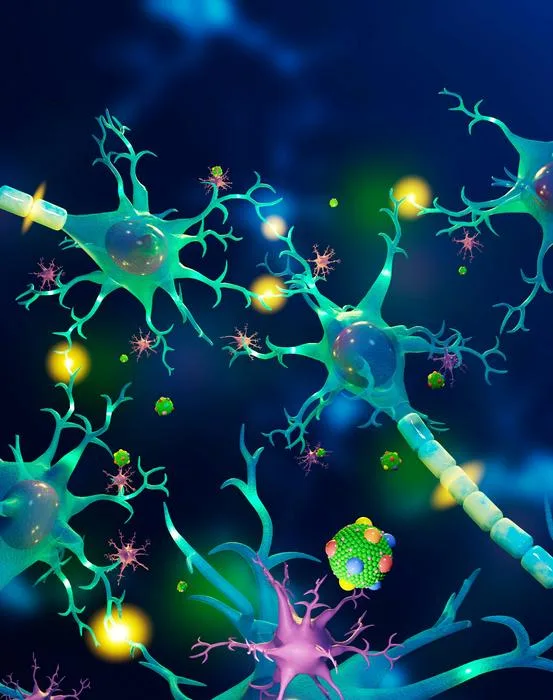
Cancer patients given an mRNA COVID vaccine within a few months of immunotherapy treatment fared better than unvaccinated patients. Joe Raedle/Staff/Getty Images
Recent research suggests that the same mRNA technology used in COVID-19 vaccines could enhance the effectiveness of cancer treatments by boosting the immune system’s response.
What the Study Found
Patients with non-small cell lung cancer (NSCLC) who received an mRNA COVID vaccine within roughly 100 days of starting immunotherapy had significantly better survival rates: about 56% were alive three years after diagnosis compared to 31% of those who didn’t get the vaccine. Similar trends appeared in advanced melanoma patients.
Why This Is Remarkable
Immunotherapy—particularly immune checkpoint inhibitors—revs up the immune system to attack tumors. The study’s lead author, Elias Sayour, and colleagues hypothesized that an mRNA vaccine could act as an immune “siren,” calling the body to mount a stronger anti-tumor attack.
Indeed, earlier work in mice showed that an experimental mRNA vaccine enabled immunotherapy drugs to work better, even though the mRNA encoded non-tumor proteins.
How mRNA Vaccines Work in this Context
mRNA vaccines deliver messenger RNA to cells, prompting them to produce a harmless protein (for COVID-19: the spike protein) that trains the immune system.
In this cancer-immunotherapy context, researchers believe the mRNA vaccine may boost early interferon type-I responses, increase epitope spreading (the immune system recognizing more tumor antigens), and thereby make tumors more responsive to immunotherapy.
Implications for Cancer Treatment
If confirmed in clinical trials, this could represent a paradigm shift: clinicians would have a widely available, well-tested tool (mRNA vaccines) to hand that might improve outcomes for patients undergoing immunotherapy.
However, experts caution it’s not proven yet—clinical trials are needed before this becomes standard practice.
Key Takeaways for Stakeholders
- For oncologists: Consider the potential synergy between mRNA vaccination and immunotherapy—though for now, only within trials or protocols.
- For researchers: These findings open up new avenues for exploring how non-tumor-specific mRNA vaccination might prime the immune system in cancer.
- For patients and caregivers: This is exciting news, but not yet a guarantee. Always consult your oncology team before drawing conclusions about vaccination timing.
- For public health / policy: The broader benefits of mRNA vaccines may extend beyond infectious disease—a point worth emphasizing in communications and funding strategies.
About the Author