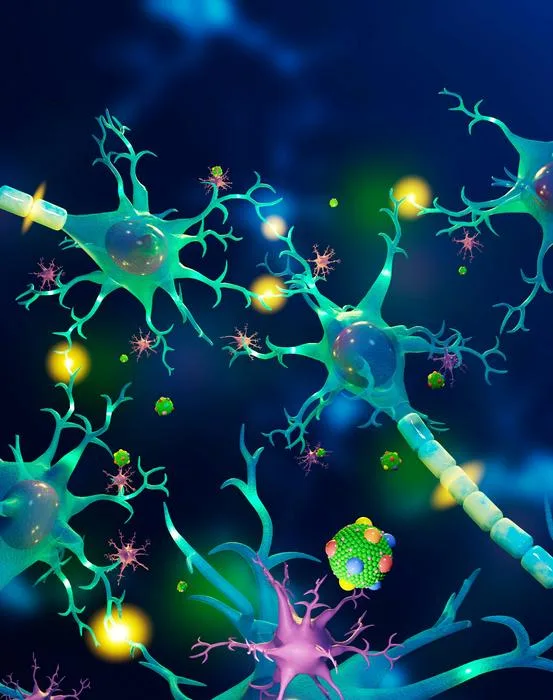
Scientists discover a new cell stress response mechanism that could transform treatments for cancer, Alzheimer’s, and metabolic diseases.
Breakthrough Study Reveals How Cells Respond to Stress
In a major advancement in biomedical research, scientists have uncovered a previously unknown cellular mechanism that could reshape how diseases are treated in the future. The discovery sheds light on how cells respond to internal stress, opening new pathways for targeted therapies in conditions like cancer, neurodegenerative disorders, and metabolic diseases.
This breakthrough provides a deeper understanding of cellular behaviour under pressure something researchers have been trying to decode for decades.
What Did Researchers Find?
The study reveals that cells activate a highly coordinated internal system when exposed to stress. This system regulates protein function, energy usage, and repair mechanisms ensuring the cell survives adverse conditions.
Previously, scientists believed these processes were independent. However, the new findings show that cells rely on a tightly interconnected network, allowing them to adapt more efficiently than previously understood.
Why This Discovery Matters
Understanding how cells manage stress is critical for developing treatments for several major diseases. When this system fails or becomes dysregulated, it can lead to:
- Cancer progression
- Neurodegenerative diseases like Alzheimer’s
- Metabolic disorders such as diabetes
By targeting this newly discovered pathway, researchers may be able to design therapies that restore balance within cells, preventing disease at its root cause rather than just treating symptoms.
Potential Impact on Future Treatments
This discovery could significantly influence the future of precision medicine. Instead of broad treatments, therapies can be designed to:
- Target specific cellular pathways
- Improve treatment effectiveness
- Reduce side effects
Researchers believe that drugs developed using this insight could be more efficient and personalized, especially for complex diseases.
What’s Next in Research?
While the findings are promising, further studies are needed to translate this discovery into clinical applications. Scientists are now working on:
- Testing the mechanism in different disease models
- Identifying drug targets within the pathway
- Developing experimental therapies
Clinical trials could be the next major step if early results continue to show success.
Final Thoughts
This breakthrough marks an important step toward understanding the fundamental workings of human cells. By uncovering how cells respond to stress, scientists are moving closer to developing smarter, more targeted treatments for some of the world’s most challenging diseases.
As research progresses, this discovery has the potential to redefine modern medicine and improve millions of lives.
About the Author