Can Beer Be a Vaccine? Inside the Controversial Vaccine-Beer Experiment
Can Beer Be a Vaccine? Inside the Controversial Vaccine-Beer Experiment
Imagine sipping a pint of craft beer and getting vaccinated at the same time. It sounds like science fiction, but for virologist Chris Buck, it’s a bold experiment straight out of his own kitchen.
In a move that’s sparking both excitement and ethical debate, Buck, a senior scientist at the U.S. National Cancer Institute (NCI), claims to have brewed a beer that acts as a vaccine against BK polyomavirus, a common virus implicated in serious disease for people with weakened immune systems and linked to some cancers.
What Is Polyomavirus, and Why It Matters
Polyomaviruses are a family of small DNA viruses that infect most people early in life and usually remain dormant without causing symptoms. A subtype called BK polyomavirus can become problematic in organ transplant patients or individuals with suppressed immune systems, sometimes contributing to kidney damage or even bladder cancer.
The Vaccine Beer Concept Explained
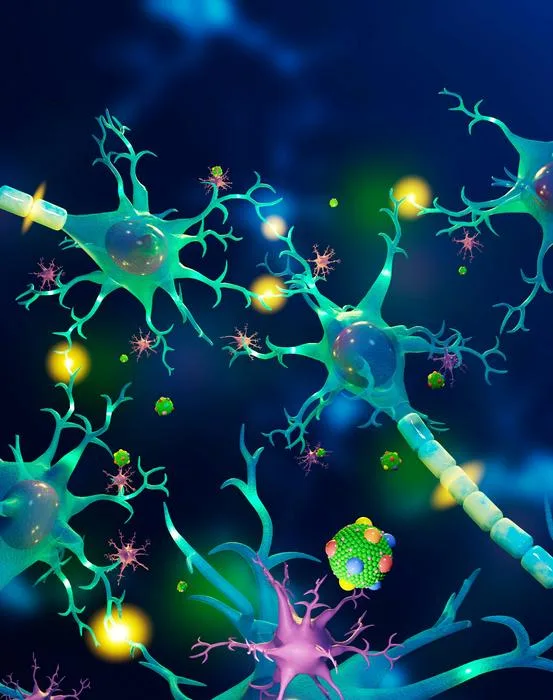
Buck engineered a strain of Saccharomyces cerevisiae, a common brewing yeast, to produce virus-like particles of the BK polyomavirus protein. These particles don’t cause infection but can activate the immune system. The idea: brew these engineered yeasts into beer so that drinking it exposes the body to vaccine components.
In late May 2025, Buck brewed his first batch of “vaccine beer” and began drinking a pint daily, followed by booster periods spaced weeks apart. He reported that his own antibody levels against two subtypes of the virus increased after consuming the beer, and there were no obvious health issues.
Buck and his collaborators also posted a method for creating vaccine beer on the open-access platform Zenodo, and he discussed it on his blog, though none of this has been peer-reviewed yet.
Why the Experiment Is Controversial
While the idea is whimsical and intriguing, many scientists are cautious for good reasons:
- Self-Experimentation: Buck performed most of the testing on himself and a few family members. That’s hardly enough to prove safety or wide effectiveness.
- Lack of Peer Review: The methods and results haven’t gone through rigorous scientific scrutiny yet.
- Public Trust: Experts warn that presenting a DIY vaccine could fuel misinformation or antivaccine sentiments, especially in a time of heightened scepticism.
- Regulatory Hurdles: Vaccines typically require multi-stage clinical trials to ensure they’re safe and effective, something this beer hasn’t undergone.
Bioethicists and researchers worry that bypassing such protocols could undermine public confidence in vaccines and mislead people about unverified health claims.
Why Some Scientists See Potential
Not everyone dismisses Buck’s experiment outright. Some researchers believe that oral vaccines, including those delivered through food or drink, could be revolutionary if proven safe and effective.
In mice, yeast-delivering virus-like particles have shown promising immune responses. Still, translating that to humans requires large-scale, controlled studies.
Proponents argue that everyday people might be more open to getting vaccinated if it’s part of something familiar, like eating or drinking, rather than an injection. (Promega Connections)
Future Possibilities: Beyond Beer?
Buck envisions a broader future where engineered yeast could deliver vaccines for more common diseases, such as influenza or even COVID-19, not just polyomavirus. He’s also exploring non-alcoholic formats like dried yeast or edible capsules.
But widespread adoption hinges on answers to key questions:
- Can vaccine beer consistently produce protective immunity in diverse populations?
- Will regulatory bodies like the FDA approve such innovations?
- How do we balance creativity with safety and public understanding?
Bottom Line
Chris Buck’s vaccine beer is a daring blend of microbiology and mixology. It challenges traditional vaccine development but also highlights the scientific and ethical frameworks that protect public health. Whether beer-based vaccines become a mainstream reality or remain a fascinating footnote in science history is a debate that’s just beginning.
About the Author